


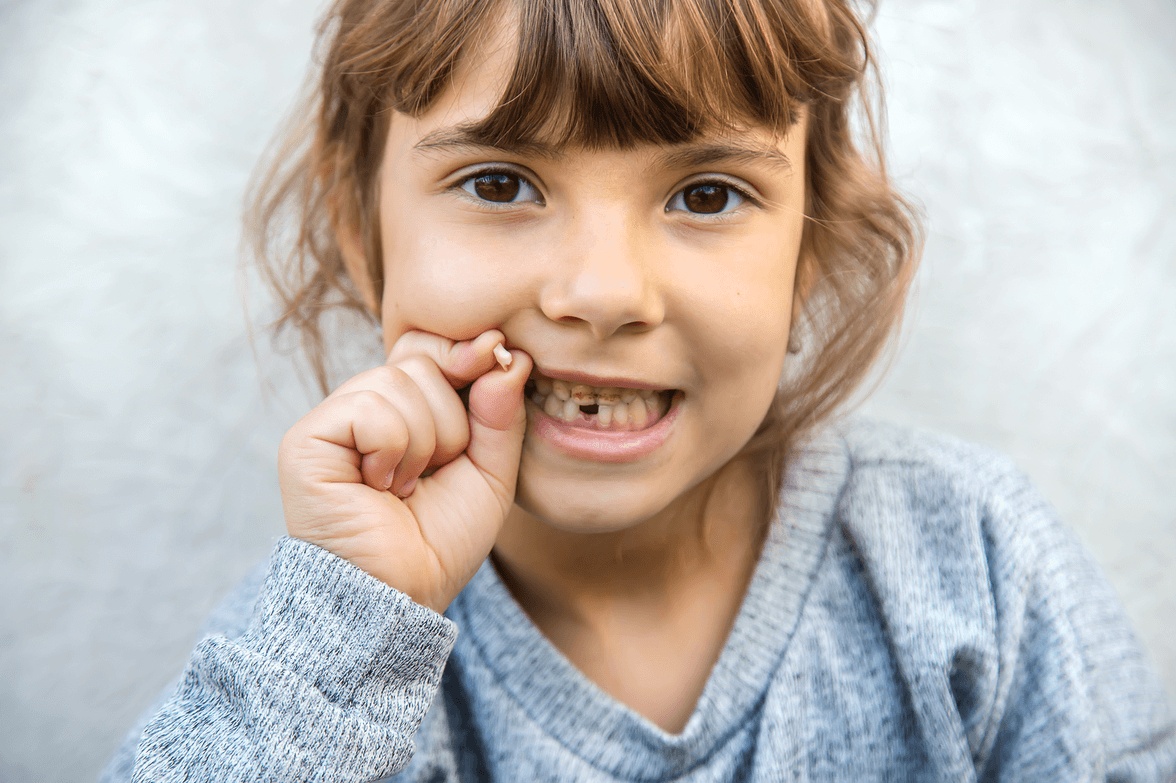
It only takes a split second: a fall at the playground, a collision during soccer, and your child is suddenly missing a tooth. This type of dental emergency, known as a dental avulsion, occurs when the entire tooth is completely knocked out of its socket. More than 5 million teeth are knocked out each year in both children and adults, and knowing how to respond can mean the difference between saving and losing the tooth.
Read on to learn what to do if your child has a knocked-out tooth and where to find the best pediatric dentist in Anchorage for emergency dental care.
Knocked‑out baby tooth vs. permanent tooth in kids: what’s different?
When a child knocks out a tooth, one of the first things to figure out is whether it was a baby tooth or a permanent one:
- Baby teeth, also known as primary teeth, should not be put back in the socket. Re-inserting a baby tooth can accidentally damage the permanent tooth developing underneath.
- A permanent tooth, which usually starts coming in around age six, can often be replanted when the proper steps are taken.
What to do if Your Child Knocks Out a Permanent Tooth
The moments after your child loses a tooth can feel chaotic, but staying calm is one of the most important things you can do for both you and your child:
- First, gently reassure your child and help them sit still.
- Use a clean cloth or piece of gauze to control any bleeding by having them bite down softly.
- Apply a cold compress to their cheek to help with swelling.
- If you can find the tooth, pick it up carefully by the crown. That’s the white part you can normally see, not the root. Touching the root can damage the delicate cells needed for successful replanting.
- If the tooth is dirty, rinse it gently in milk or your child’s saliva. Never use water, soap, or antiseptics. You should also avoid rubbing it.
These first steps may seem simple, but they’re critical for protecting the tooth and giving your child’s pediatric dentist the best chance to save it.
Emergency Dental Care for Knocked-Out Teeth: Why Timing Matters
Replanting the tooth within 30 to 60 minutes gives it the highest chance of healing properly and staying in place long-term. Once you reach the dentist, they’ll usually take a dental X-ray to assess the area, then gently reinsert the tooth and secure it with a small splint to keep it stable for about one to two weeks. The care doesn’t stop there; your child may need a root canal later, along with special instructions like:
- Eating soft foods
- Rinsing with chlorhexidine mouthwash to prevent infection
- Avoiding contact sports or other activities that could cause more dental injury
- Returning for follow-up dental visits to check for signs of root resorption
Quick action and proper care give your child the best shot at keeping their natural tooth.
Preventing future knocked‑out teeth: tips for parents and kids
While accidents can’t always be avoided, there’s a lot parents and kids can do to reduce the risk of another knocked-out tooth:
- Mouthguards: One of the most effective steps is ensuring your child wears a properly fitted mouthguard during contact sports, such as football, basketball, or skateboarding. These soft, flexible guards help cushion blows to the mouth and protect both teeth and jaws.
- Routine Dental Care: It’s also important to pay attention to how your child’s teeth align. Children with increased overjet, where the top teeth protrude far beyond the bottom ones, are more likely to injure their front teeth in a fall or collision. A children’s dentist can evaluate this early and recommend treatment to help lower that risk.
- Safety: Teaching safe play habits, like not running with objects in their mouth or roughhousing near hard surfaces, along with close supervision during activities like bike riding, can go a long way in keeping their smile safe.
What Parents Should Prepare Ahead: Emergency Kit and Dental Plan
Parents can create a simple tooth avulsion first-aid kit to keep at home, in the car, or with a coach or babysitter. This kit should include:
- A small, clean container with a lid to hold a knocked-out tooth
- Disposable gloves
- Gauze for stopping bleeding
- Either a sealed bottle of cold milk or a vial of Hank’s Balanced Salt Solution (HBSS), if available
It’s also a good idea to save your child’s dentist’s emergency number in your phone and know the location of the nearest dental clinic that handles after-hours injuries.
Finding the Best Pediatric Dentist in Anchorage for a Knocked-Out Tooth
At Kids Dental Tree, we understand that early dental education and gentle, preventive care can shape a lifetime of healthy smiles. This is why we serve families across Anchorage, Eagle River, Wasilla, and Girdwood, including children with special needs.
Dr. Ryan, our board-certified pediatric dentist, takes the time to build trust with every child and parent, making sure questions are answered and little patients feel genuinely cared for. From our ocean-themed waiting room to iPads in every treatment room, our clinic is designed with kids in mind.
Whether it’s your toddler’s first visit, your teen’s routine cleaning, or urgent emergency dental care for kids, we’re here to make dental care easy, comforting, and even fun.
Ready to ensure your child has the best oral health with the best pediatric dentist in Anchorage?


.svg)
.svg)


.svg)


